The debate about work-life balance and long work hours has taken a new turn with a humorous comment from Adar Poonawalla, the CEO of Serum Institute of India. This comes in the wake of L&T Chairman SN Subrahmanyan’s controversial statement advocating for 90-hour workweeks and working on Sundays. In a playful response, Poonawalla shared how his wife, Natasha Poonawalla, enjoys spending Sundays staring at him, highlighting the importance of quality over quantity when it comes to work.
Let’s dive into the details of the controversy and how Poonawalla responded to it, keeping the conversation light and focused on work-life balance.
The 90-Hour Workweek Controversy: What Started It?
The controversy began with L&T Chairman SN Subrahmanyan’s remarks in a video shared on Reddit, where he stated his regret about not being able to force employees to work on Sundays. He said, “I regret I am not able to make you work on Sundays. If I can make you work on Sundays, I will be more happy because I work on Sundays.”
Subrahmanyan also made a remark questioning how much time employees could spend with their families during their downtime at home, asking, “What do you do sitting at home? How long can you look at your wife? Come on, get to the office and start working.”
These comments sparked a heated debate online, with many questioning the work culture and the idea of pushing employees to work excessively long hours.
L&T Supports the 90-Hour Workweek Idea
In response to the uproar, L&T spokesperson defended Subrahmanyan’s views, emphasizing the company’s commitment to achieving extraordinary outcomes. The spokesperson said, “Extraordinary outcomes require extraordinary effort. We remain committed to fostering a culture where passion, purpose, and performance drive us forward.”
While L&T stands by the Chairman’s remarks, the conversation has stirred strong opinions about the work-life balance that many employees strive for in today’s fast-paced world.
Adar Poonawalla’s Playful Response
Adar Poonawalla, known for his witty and sometimes humorous takes on serious issues, responded to Anand Mahindra’s post about his wife Anuradha Mahindra, where Mahindra joked about how he loves staring at his wife. Poonawalla shared a lighthearted post on X (formerly Twitter), stating:
“Yes @anandmahindra, even my wife @NPoonawalla thinks I am wonderful, she loves staring at me on Sundays. Quality of work over quantity always. #worklifebalance.”
Poonawalla’s response highlights his belief in quality over quantity in work and relationships. Instead of focusing on long work hours, he emphasizes the importance of spending quality time with loved ones, such as Sundays with his wife Natasha.
Why the Work-Life Balance Debate Matters
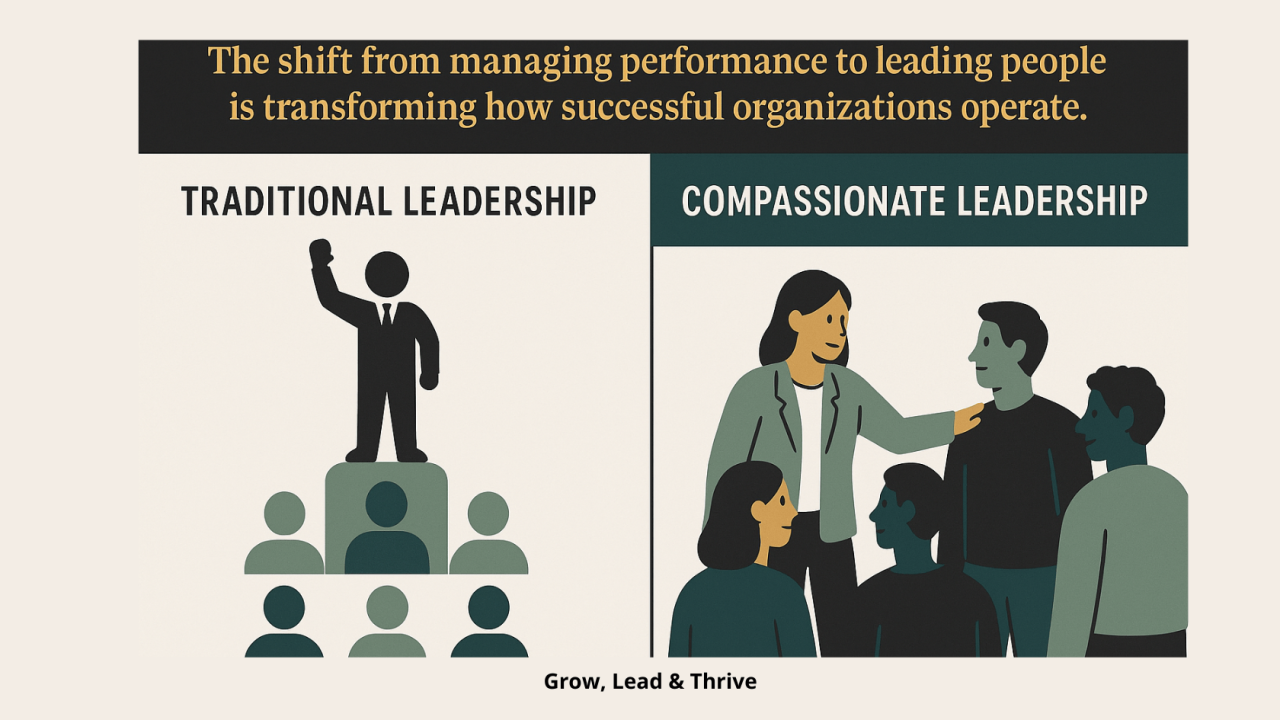
Poonawalla’s response brings the ongoing debate over work-life balance back into focus. The idea of working 90 hours a week and spending Sundays in the office isn’t new for some companies, particularly those with demanding work cultures. However, many business leaders and professionals argue that such a mindset can lead to burnout, decreased productivity, and an unhealthy work environment.
In contrast, leaders like Adar Poonawalla advocate for a more balanced approach, where the focus is on the quality of work, not the quantity of hours worked. His post points out that time spent with loved ones, such as his Sundays with Natasha, can help foster better mental health and more productive workdays in the long term.
Balancing Work and Personal Life: The Key to Success
The idea of work-life balance has gained traction in recent years, especially in the wake of the pandemic, when remote work and flexible schedules became more common. Companies and employees alike have come to realize that a healthy work-life balance is crucial for:
- Productivity: Well-rested employees who maintain a balance between work and personal life are more likely to produce better results at work.
- Mental and Physical Health: Overworking can lead to burnout, stress, and health issues. Taking time off to rest and recharge is important for maintaining overall well-being.
- Personal Relationships: Spending quality time with family and friends is crucial for maintaining personal relationships and emotional health.
Why the 90-Hour Workweek Model Doesn’t Work for Everyone
The idea of a 90-hour workweek might seem appealing to some who are willing to sacrifice personal time for professional gain, but it can have detrimental effects on both employees and businesses. Here’s why:
- Burnout and Decreased Productivity: Working long hours without sufficient rest can lead to physical and mental exhaustion, ultimately decreasing overall productivity. People need downtime to recharge, be it on weekends or after a busy workday.
- Family and Social Life Impact: Subrahmanyan’s comment about employees spending too much time at home and staring at their wives overlooks the importance of quality family time. Healthy relationships are key to personal happiness and can have a positive effect on work.
- Long-Term Career Growth: Many people who work excessively long hours can feel disconnected from their personal lives, leading to regrets or dissatisfaction later in life. A balanced approach allows for both career growth and personal happiness.
The Corporate Culture Shift
In recent years, more companies have begun embracing flexible work policies and hybrid models, which allow employees to set their own schedules and enjoy more freedom. Business leaders like Adar Poonawalla and Anand Mahindra have made it clear that they value the quality of work over long hours. This shift in corporate culture signals a move toward a more sustainable, employee-centric environment.
Poonawalla’s statement on X (formerly Twitter) exemplifies this growing trend towards valuing work-life balance over sheer quantity of hours worked. He’s not alone in believing that spending time with loved ones and focusing on personal well-being is equally important as professional success.
Conclusion
The debate over work-life balance and long work hours continues to be a hot topic, especially after L&T Chairman SN Subrahmanyan’s comments about 90-hour workweeks and working on Sundays. While L&T stands by the idea of pushing employees to work more, leaders like Adar Poonawalla highlight the importance of quality over quantity in both work and life.
In a world where burnout and stress are increasingly common, a balanced approach that prioritizes mental well-being, family time, and productive work is gaining traction. The key takeaway? It’s not about how many hours you work, but the value and quality you bring to the table—and how you balance that with time for the people who matter most.