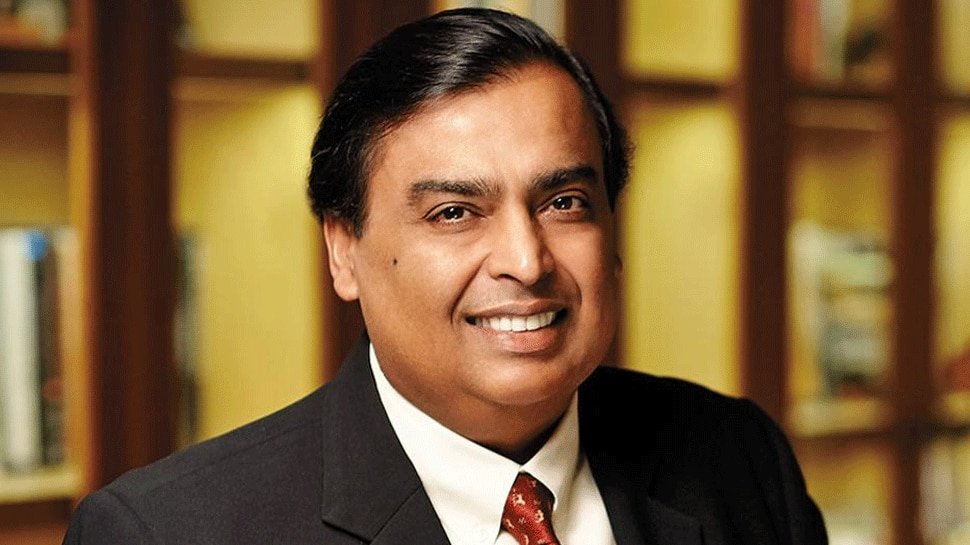
Sanjay Malhotra, the current Revenue Secretary, has been appointed as the new Governor of the Reserve Bank of India (RBI), succeeding Shaktikanta Das. This is a significant development for India’s economic landscape, especially at a time when the country is navigating various economic challenges, including high inflation and slowing growth. With his extensive experience across finance, taxation, and the power sectors, Malhotra’s appointment is seen as a key moment in India’s journey toward economic stability.
Let’s break down what his appointment means for India’s economy, the challenges he will face, and what we can expect from his leadership.
Who Is Sanjay Malhotra?
Sanjay Malhotra, a 1990-batch IAS officer from Rajasthan, takes over as the 26th RBI Governor. His appointment marks a significant change in leadership at India’s central bank. Malhotra’s career has been marked by his work in several key sectors, including finance, taxation, and IT. As Revenue Secretary in the Ministry of Finance, he gained valuable insights into India’s fiscal policies and tax reforms, which will undoubtedly influence his role at the RBI.
Academic and Professional Background
Malhotra’s background is equally impressive. He is an alumnus of IIT Kanpur, where he earned a degree in computer science engineering, and he holds a Master’s in Public Policy from Princeton University. With his strong academic foundation and administrative experience, Malhotra is expected to bring a fresh perspective to the RBI, especially in navigating complex economic challenges.
The Economic Context: Why His Appointment Matters Now
Malhotra steps into his new role as India faces significant economic challenges. The country is grappling with a slowdown in economic growth and high inflation, both of which require careful management of monetary policy.
Slowing Growth and High Inflation
India’s GDP growth has recently slowed to its weakest pace in seven quarters. The July-September period saw the country’s economy grow at just 4.4%, driven by both global and domestic headwinds. This slowdown is particularly concerning because it suggests that economic activity is not picking up as expected, which could have long-term consequences for employment and private sector investments.
At the same time, inflation remains stubbornly high. Retail inflation in October surged to 6.21%, well above the RBI’s comfort zone of 4%. This means that the central bank needs to take careful steps to bring inflation under control without stifling growth.
Shaktikanta Das’ Legacy
Malhotra takes the reins from Shaktikanta Das, whose term ends on December 10, 2024. Under Das’ leadership, the RBI navigated some of India’s most challenging times, including the COVID-19 pandemic and demonetisation. Das was also instrumental in embracing emerging technologies, such as blockchain and AI, to strengthen the banking system. Most recently, the RBI launched Mulehunter.AI, an initiative aimed at curbing financial fraud.
Das’ leadership earned him significant accolades, including being named the world’s top central banker by Global Finance for two consecutive years. He is celebrated for his adept management of the central bank during some of India’s most turbulent economic times.
Malhotra’s Challenges as RBI Governor
As he takes office, Malhotra faces several immediate challenges. The most pressing issues will be managing India’s growth while tackling inflation and ensuring financial stability.
Balancing Growth and Inflation
One of Malhotra’s primary tasks will be to strike a balance between promoting growth and keeping inflation in check. The recent inflation numbers, which went beyond the RBI’s target, have raised concerns about the purchasing power of Indian households. The RBI will need to carefully evaluate its monetary policy to ensure that it does not overly constrain growth while addressing inflationary pressures.
Interest Rate Decisions and Monetary Policy
As the new governor, Malhotra’s decisions regarding interest rates will be watched closely by investors, businesses, and policymakers. The central bank has already made headlines by keeping the repo rate unchanged during its recent Monetary Policy Committee (MPC) meeting on December 8, 2024. This decision, alongside a 50 basis point reduction in the Cash Reserve Ratio (CRR), is aimed at increasing liquidity in the banking system and easing financial pressures on businesses and consumers.
The policy direction Malhotra sets could have far-reaching effects on India’s financial markets, borrowing costs, and overall economic growth.
The Road Ahead for Malhotra
While the immediate challenges are significant, there is also great potential for Malhotra to bring about meaningful changes at the RBI. His experience in taxation and public finance could offer a different perspective on managing India’s inflation and growth targets. Additionally, his background in technology and IT could help the RBI in enhancing its use of digital tools and technologies to drive efficiency and innovation in the banking sector.
A Tech-Savvy Leader
Malhotra’s knowledge of information technology could be particularly useful in further strengthening the RBI’s use of technology to combat financial fraud, enhance digital payments, and improve banking transparency. With the rise of digital currencies and blockchain technology, Malhotra could also play a pivotal role in shaping India’s response to these innovations.
A Broader Vision for India’s Economy
Looking beyond immediate economic challenges, Malhotra’s leadership could set the stage for a more resilient and adaptive Indian economy. His experience in public policy and finance could enable him to work with other government bodies to address long-term structural issues in India’s economy, including the tax system, public debt, and economic inequality.
What to Expect from Malhotra’s Term
Sanjay Malhotra’s appointment as RBI Governor comes at a critical time for India. His leadership will be crucial in navigating a volatile global economy, tackling inflation, and ensuring the stability of India’s financial system. While it remains to be seen how he will manage the complexities of monetary policy, Malhotra’s background suggests he is well-equipped to handle the job.
As he takes on this new responsibility, all eyes will be on him as he guides the country’s central bank through uncertain waters and aims to strengthen India’s position in the global economy.