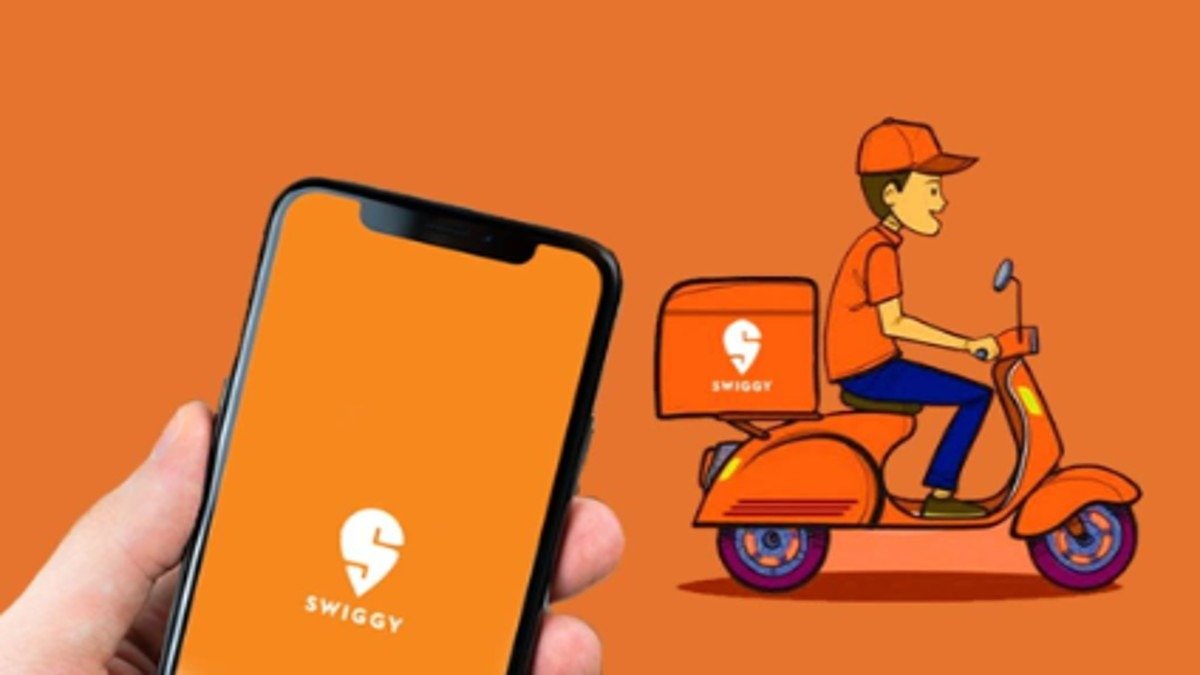
Swiggy, India’s popular food delivery giant, has reported impressive growth in its latest financial results for the July-September quarter of FY25. The company’s revenue surged by a remarkable 30% year-on-year (YoY), reaching ₹3,601.5 crore, up from ₹2,763.3 crore in the same period last year. While Swiggy’s losses have slightly decreased, there’s much more happening at the company that’s worth paying attention to.
Let’s break it down.
Revenue Growth Soars, Losses Shrink
For the second quarter of FY25, Swiggy saw its revenue jump by ₹838 crore, reflecting an uptick in users and an expanding market presence. This growth is largely driven by the increasing number of active users on the platform. Swiggy’s gross order value (GOV), which is the total value of all orders placed on its platform, also witnessed an impressive 30% increase, touching ₹11,306 crore.
The good news doesn’t stop there—Swiggy’s losses have also reduced. The company’s net losses shrank by 5%, down to ₹625.5 crore from ₹657 crore during the same quarter in the previous year. However, compared to the previous quarter (Q1FY25), where Swiggy had posted a loss of ₹611 crore, losses have widened slightly.
Swiggy’s Managing Director and Group CEO, Sriharsha Majety, attributes the company’s strong performance to “innovation and execution,” including new services like Bolt, a 10-minute food delivery option. This launch, along with the growing popularity of Swiggy’s quick commerce platform, Instamart, is helping the company push towards profitability.
Key Highlights from Swiggy’s Q2FY25 Performance
1. Boost in User Engagement
Swiggy’s platform saw a solid boost in its monthly transacting users (MTU), which grew by 19.2% YoY, reaching 17.1 million. This increase highlights that more people are turning to Swiggy for their food delivery needs, a sign that its services are resonating with customers.
2. Swiggy Instamart: Quick Commerce on the Rise
Swiggy’s quick commerce platform, Instamart, has become a significant growth driver. In Q2FY25, Instamart’s GOV grew by 24% quarter-on-quarter (QoQ), reaching ₹3,382 crore. Orders per dark store (Swiggy’s mini-warehouses) also saw a 10% QoQ increase. Instamart is now operating in 54 cities, offering over 32,000 unique items with an average delivery time of just 13 minutes.
Impressively, Instamart has expanded rapidly—adding 12 new cities and 52 stores in the quarter. The company plans to double its number of dark stores by March 2025, which will further drive growth and improve delivery times.
3. Launch of Bolt: The 10-Minute Delivery Revolution
One of the most exciting moves from Swiggy is the launch of Bolt, a 10-minute restaurant food delivery service. Within just 8 weeks of launch, Bolt already accounts for 5% of Swiggy’s total food deliveries. This bold new offering shows Swiggy’s determination to push the boundaries of speed and customer satisfaction in a highly competitive market.
Growth Across the Board: Swiggy’s Expansion Plans
While Swiggy continues to focus on improving its food delivery services, it’s also making moves in quick commerce and expanding its business model. In fact, Swiggy is set to double its dark store count by March 2025, which will provide more efficient logistics and faster deliveries across the country. The company aims to grow its active dark store area to over 4 million square feet, more than double what it had last year.
Sriharsha Majety also noted that Swiggy’s quick commerce services have reached 118 million users and processed nearly 3.5 billion orders over the past decade. As the company continues to evolve, it’s clear that Swiggy is positioning itself not just as a food delivery leader, but also as a major player in the urban convenience space.
Still Behind Zomato, But Catching Up
While Swiggy’s Q2 results are promising, the company still trails its main competitor, Zomato, in terms of revenue. Zomato recently reported a revenue of ₹4,799 crore and a net profit of ₹176 crore for the same period.
However, Swiggy’s diversified business model and its investments in services like Instamart and Bolt could be the key to catching up in the coming quarters. Majety emphasized that Swiggy’s various business verticals are in different stages of profitability, and the company is optimistic about delivering long-term value to its users and shareholders.
Swiggy’s Vision for the Future
Swiggy’s strategic expansion into quick commerce and the introduction of new features like Bolt show that the company is evolving to meet the changing demands of urban consumers. As Majety said, “We are constantly trying to anticipate and improve the consumer’s experience.”
With a focus on increasing convenience, speed, and product variety, Swiggy is positioning itself for continued growth in both food delivery and quick commerce. While the company may still be navigating losses, its future looks bright as it improves its operations and ramps up its business innovations.
Conclusion: Swiggy’s Bold Future
In the battle for food delivery supremacy, Swiggy is making bold moves. Its 30% revenue growth, strategic innovations, and a growing presence in quick commerce suggest the company is well on its way to closing the gap with its competitors. As Swiggy continues to refine its offerings and expand its reach, it could very well emerge as the dominant player in India’s ever-evolving digital economy.
The coming quarters will likely see more exciting developments as Swiggy accelerates its efforts to deliver more value to customers—and, ultimately, become a profitable force in the market.