A Growing Controversy in the WordPress Community
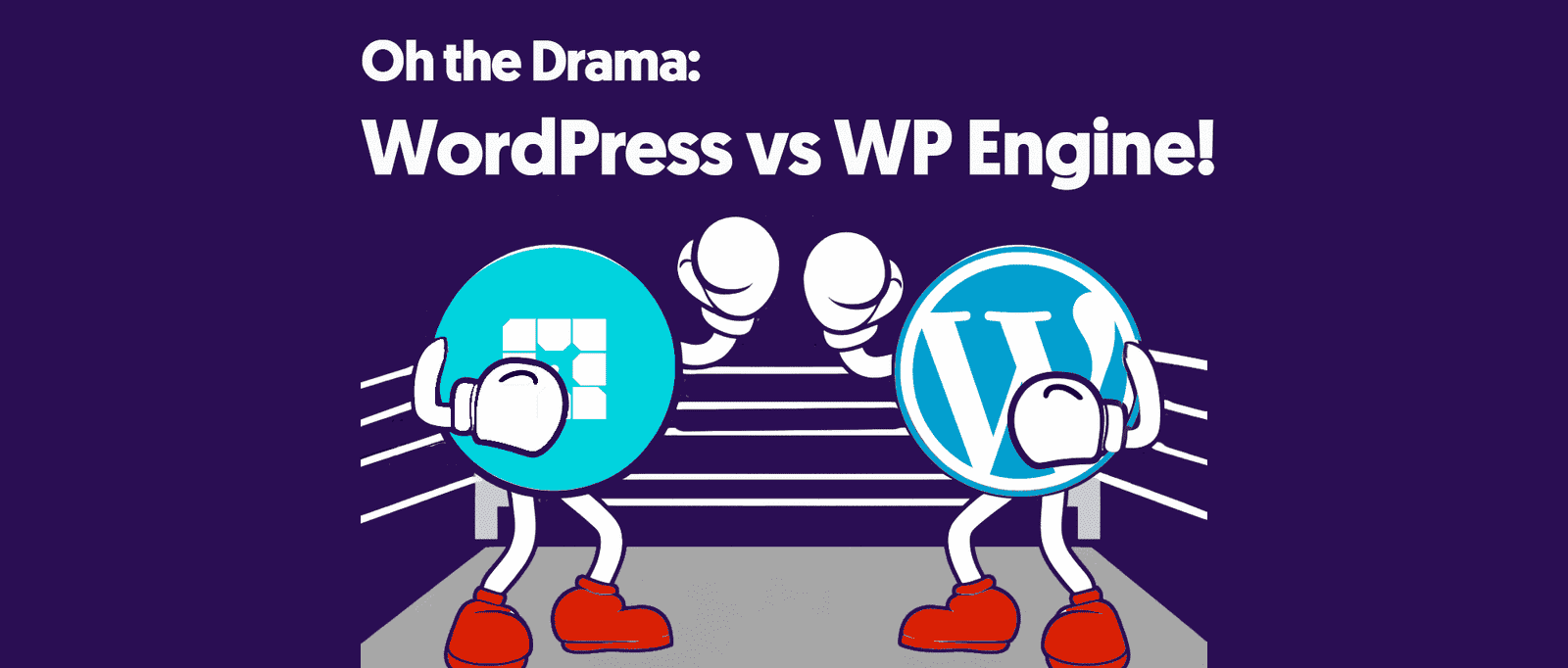
The WordPress ecosystem, which powers about 40% of all websites globally, is currently embroiled in a heated dispute. At the center of this drama is Matt Mullenweg, the founder of WordPress and CEO of Automattic, and WP Engine, a prominent hosting provider for WordPress sites. This conflict raises important questions about trademark use, community trust, and the future of open-source software.
The Spark That Ignited the Dispute
In mid-September, Mullenweg published a blog post where he labeled WP Engine a “cancer to WordPress.” His primary criticism was that WP Engine disables the feature allowing users to track the revision history of their posts. Mullenweg argues that this feature is essential for protecting user data and should not be turned off just to cut costs.
Mullenweg also accused WP Engine’s investors, particularly Silver Lake, of not adequately contributing to the WordPress project. He raised concerns that the use of “WP” in WP Engine’s name misleads users into thinking it’s officially connected to WordPress.
Legal Escalation: Cease-and-Desist Letters Fly
In response to Mullenweg’s blog, WP Engine sent a cease-and-desist letter, demanding he retract his comments. They defended their use of the WordPress trademark, arguing that it falls under fair use. They also claimed that Mullenweg had threatened to take aggressive legal action unless WP Engine paid a significant portion of its revenues for a trademark license.
Automattic fired back with its own cease-and-desist letter, alleging that WP Engine violated trademark rules related to WordPress and WooCommerce. This exchange marked the beginning of a legal back-and-forth that has left the WordPress community on edge.
Trademark Policy Changes and User Confusion
The WordPress Foundation updated its Trademark Policy, emphasizing that while “WP” is not covered by their trademarks, it should not be used in a way that confuses users. Many people mistakenly think WP Engine is affiliated with WordPress, a misconception the foundation aims to correct.
Following this, Mullenweg imposed a ban on WP Engine’s access to WordPress.org resources. This action disrupted many websites and limited their ability to update essential plugins and themes, leading to potential security risks. The community reacted negatively to this, viewing it as unfairly punitive.
Temporary Lifting of the Ban
On September 27, WordPress.org temporarily lifted the ban, allowing WP Engine access to resources until October 1. Mullenweg clarified that his fight is focused solely on trademark issues, not against WP Engine users.
In the meantime, WP Engine updated its website to clarify its relationship with WordPress, emphasizing that it is not owned or endorsed by the WordPress Foundation. They also changed their plan names to remove “WordPress,” in an effort to appease Automattic’s claims.
The Community’s Reaction and Broader Implications
The WordPress community has been vocal about its concerns. Developers are worried about the potential misuse of trademarks against them, especially with the WordPress Foundation filing for additional trademarks like “Managed WordPress.” This could set a precedent that might stifle innovation and growth in the ecosystem.
Critics like John O’Nolan, founder of the Ghost platform, have argued that no single individual should have such control over a technology that supports such a vast portion of the web. Others, including Ruby on Rails creator David Heinemeier Hansson, have criticized Automattic’s approach as harmful to the principles of open-source software.
Moving Forward: What’s Next?
As of now, the dispute continues, with both sides standing firm in their positions. Mullenweg has taken steps to ensure that contributors to WordPress.org confirm they are not associated with WP Engine, a move that has stirred additional controversy within the community.
The outcome of this feud will likely have lasting effects not just on WordPress but on the broader open-source landscape. The implications of trademark use and control in the tech industry are more relevant than ever as developers, companies, and users grapple with the complexities of building on shared technologies.
Conclusion
The ongoing conflict between WordPress and WP Engine highlights critical issues surrounding trademark rights, user trust, and the future of open-source software. As this story unfolds, it’s crucial for all stakeholders in the WordPress community to stay informed and engaged, ensuring that the principles of openness and collaboration continue to thrive.