

Why Cloud Scalability Is Your Business’s Best Friend
- October 10, 2024
- 0
In the ever-evolving world of cloud computing, scalability is a game changer. But what does it mean, and why should you care? Let’s break it down in simple
In the ever-evolving world of cloud computing, scalability is a game changer. But what does it mean, and why should you care? Let’s break it down in simple

In the ever-evolving world of cloud computing, scalability is a game changer. But what does it mean, and why should you care? Let’s break it down in simple terms and explore how cloud scalability can boost your business, whether you’re a startup or a large enterprise.
Cloud scalability refers to the ability of your cloud services to grow or shrink based on your needs. Imagine your business is experiencing a sudden surge in customers. With cloud scalability, you can quickly increase your computing power, storage, or bandwidth without hefty hardware upgrades. This flexibility means you can respond to changing demands efficiently, keeping your operations smooth and your costs in check.
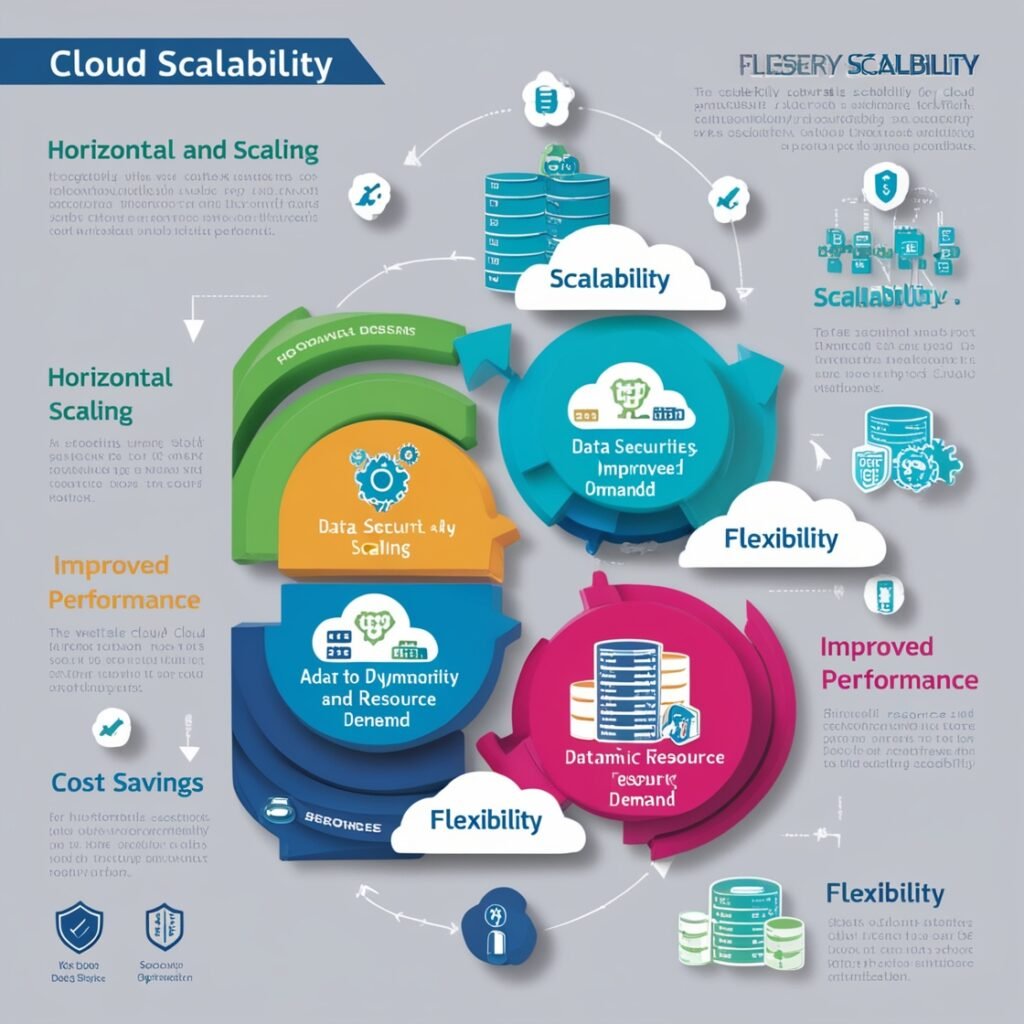
Understanding the different types of cloud scalability is essential for choosing the right approach for your business. Let’s look at the three main types:
This involves adding more instances of the same resource. For example, if your website is getting a lot of traffic, you can add more servers to handle the load. The main advantage? Distributing workloads across multiple resources improves performance.
Here, you enhance an existing resource by adding more power, such as upgrading a server’s CPU or RAM. This approach is ideal for applications needing significant processing power without spreading the workload across multiple servers.
Combining both horizontal and vertical scalability, hybrid scalability allows you to add instances while optimizing existing resources. This flexibility is perfect for complex applications that require a mix of resources.

Cloud scalability isn’t just a nice-to-have; it’s essential for any business that wants to thrive in a competitive landscape. Here’s how embracing it can benefit you:
Understanding your cloud needs is crucial for selecting the right scaling strategy. That’s where nOps comes in. This cloud management platform can streamline your scalability efforts, ensuring you’re always optimized for performance and cost.
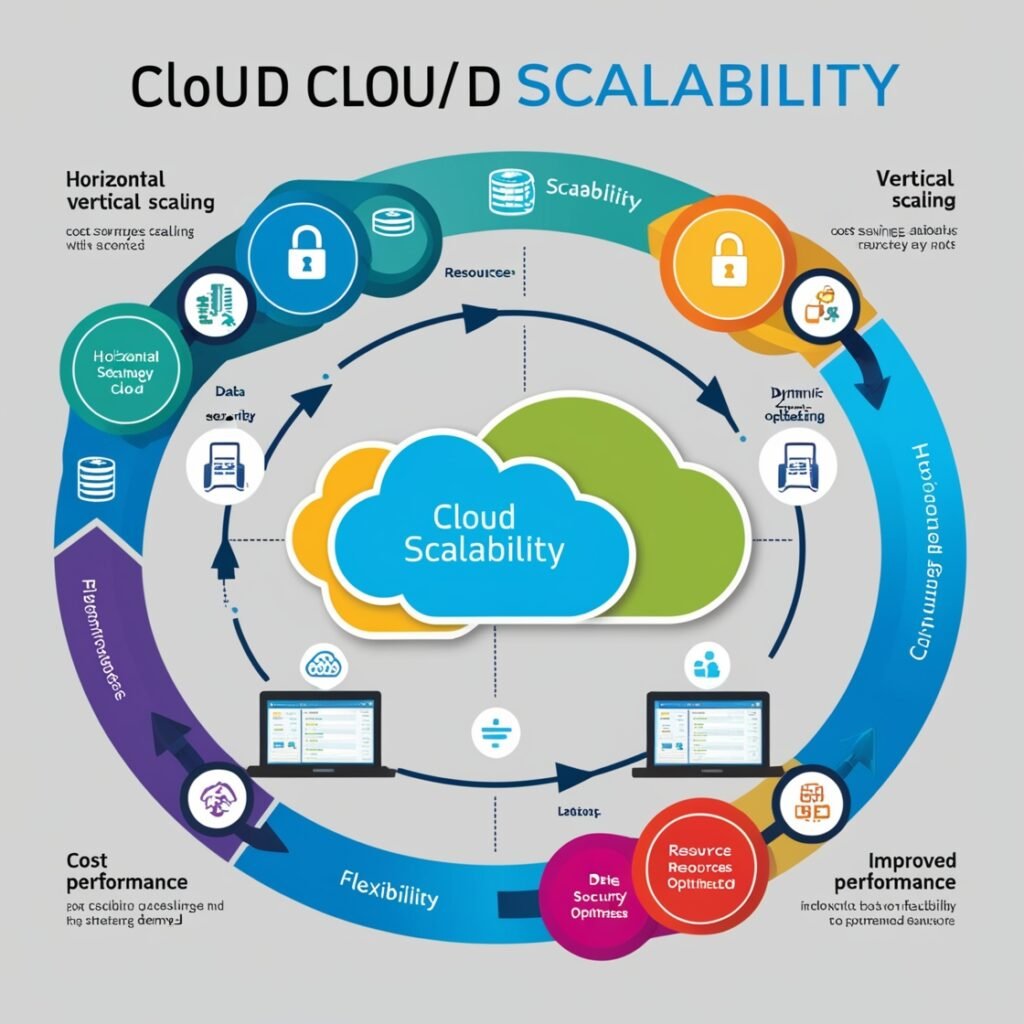
Cloud scalability is vital for any organization aiming to optimize its IT resources. By understanding its types and benefits, and leveraging tools like nOps, you can ensure your cloud infrastructure is always aligned with your business goals. Embrace cloud scalability to enhance your performance, cut costs, and remain agile in an ever-changing market.