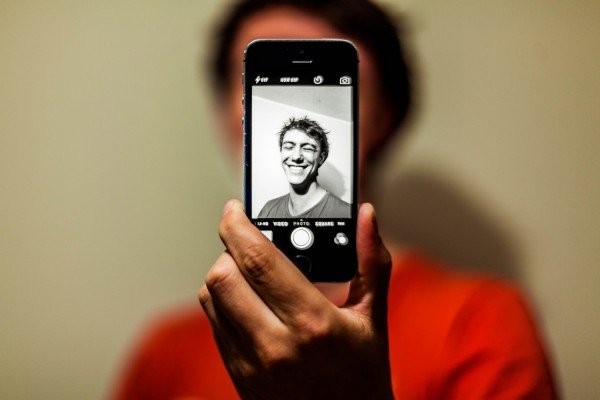
Just simply by sending a selfie to the doctor can be a simple way of detecting heart disease, according to the researchers, it has been reported that for a computer algorithm it is possible to detect coronary artery disease by analysing pictures of a persons face.
As per the study, which was published in the European Heart Journal, the algorithm has the potential to be used as a screening tool. It can identify heart disease in people in the general population.
“To our knowledge, this is the first work demonstrating that artificial intelligence can be used to analyse faces to detect heart disease,” said study author Zhe Zheng from Peking Union Medical College in China.
This would be a cheap, simple and effective way of identifying patients who need more investigation. The algorithm requires refinement and external validation in other populations and ethnicities.
The researchers team for finding, enrolled 5,796 patients from eight hospitals in China to the study between July 2017 and March 2019. All these patients were undergoing imaging procedures to investigate their blood vessels, like coronary angiography or coronary computed tomography angiography (CCTA).
They were divided into training (5,216 patients, 90 per cent) or validation (580, 10 per cent) groups. Trained nurses took four facial photos with digital cameras: one frontal, two profiles and one view of the top of the head. They also collected data on socioeconomic status, lifestyle and medical history.
Radiologists reviewed the patients’ angiograms and checked the degree of heart disease in accordance to how many blood vessels were narrowed by 50 per cent or more and their location.
This information was further used to create, and validate the deep learning algorithm. After that researchers tested the algorithm on further 1,013 patients from nine hospitals in China, enrolled between April 2019 and July 2019. Most of the patients in all the groups were of Han Chinese ethnicity. They discovered that the algorithm outperformed existing methods of predicting heart disease risk.
“However, we need to improve the specificity as a false positive rate of as much as 46 per cent may cause anxiety and inconvenience to patients, as well as potentially overloading clinics with patients requiring unnecessary tests,” the authors wrote.