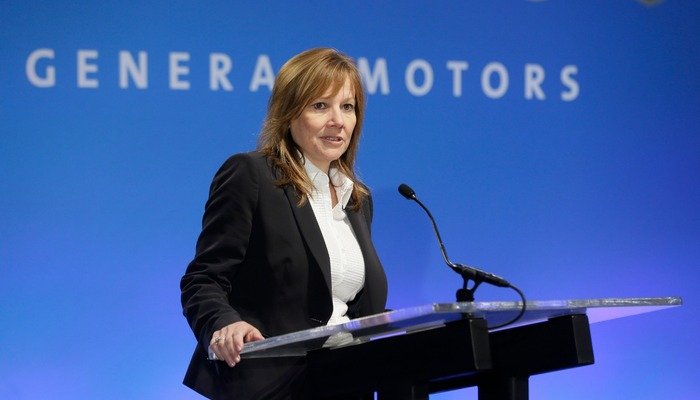
Mary Barra’s journey from a General Motors (GM) intern to the chairperson and CEO of one of the world’s largest automakers is a story of visionary leadership and relentless drive. Her success is not merely a result of her technical expertise or managerial skills but a combination of foresight, adaptability, and an unwavering commitment to innovation. This article delves into the strategies and qualities that have marked Barra’s remarkable career, shaping GM’s trajectory in a rapidly evolving automotive landscape.
Early Career and Ascent
Mary Barra’s relationship with General Motors began in 1980 when she joined the company as a co-op student. This entry-level position, often considered a stepping stone in the corporate world, proved to be the foundation of a career that would redefine the automotive industry. Barra’s early roles exposed her to various facets of GM’s operations, including engineering, manufacturing, and human resources. Her ability to excel in diverse functions demonstrated her adaptability and eagerness to learn, traits that would later prove instrumental in her leadership.
By 2014, Barra was appointed CEO, becoming the first female CEO of a major global automaker. Her ascent to the top was not merely a testament to her years of hard work but also a reflection of her strategic thinking and leadership capabilities. Her selection as CEO was influenced by her deep understanding of GM’s operations and her reputation for innovation and integrity.
Visionary Leadership and Strategic Innovation
Barra’s leadership style is characterized by a blend of strategic vision and practical execution. One of her most significant contributions as CEO has been her focus on transforming GM into a leader in electric and autonomous vehicles. Under her guidance, GM has made substantial investments in electric vehicle (EV) technology, setting ambitious goals for a future dominated by sustainable transportation.
A key element of Barra’s strategy has been her commitment to innovation. Recognizing the shifting dynamics of the automotive industry, she has championed GM’s transition to electric and autonomous vehicles. This forward-thinking approach is evident in GM’s development of the Chevrolet Bolt EV and the establishment of the Cruise autonomous vehicle subsidiary. Barra’s ability to anticipate industry trends and steer GM toward emerging technologies has positioned the company as a frontrunner in the future of mobility.
Crisis Management and Resilience
Barra’s tenure has not been without challenges. The 2014 ignition switch recall crisis, which occurred shortly after her appointment as CEO, tested her leadership skills. The crisis, which involved faulty ignition switches linked to numerous accidents and fatalities, threatened to tarnish GM’s reputation. Barra’s response to the crisis was marked by transparency, accountability, and a commitment to addressing the issues head-on.
She implemented sweeping changes to GM’s safety protocols and corporate culture, emphasizing the importance of customer safety and ethical conduct. Barra’s approach to crisis management demonstrated her resilience and ability to lead with integrity, restoring confidence in GM’s leadership and reinforcing her commitment to ethical business practices.
Empowering Workforce and Inclusive Culture
Another cornerstone of Barra’s success has been her focus on creating an inclusive and empowering work environment. Recognizing the importance of diversity and inclusion in driving innovation, she has been a vocal advocate for gender equality and representation within the company. Barra’s leadership has been instrumental in promoting women to leadership positions and fostering a culture where diverse perspectives are valued.
Barra’s commitment to workforce development is also evident in her efforts to upskill GM’s employees and prepare them for the future of work. As the automotive industry undergoes significant transformations, including the rise of digital technologies and automation, Barra has prioritized initiatives that equip employees with the skills needed to thrive in a changing landscape. This focus on continuous learning and development has not only benefited GM’s workforce but has also contributed to the company’s ability to adapt and innovate.
Sustainable Future and Legacy
Under Mary Barra’s leadership, GM has made significant strides toward a more sustainable future. Her vision for the company includes a commitment to achieving carbon neutrality by 2040 and transitioning to an all-electric vehicle lineup. This ambitious goal reflects Barra’s dedication to addressing climate change and reducing GM’s environmental footprint.
Barra’s legacy will likely be defined by her ability to navigate GM through a period of profound change and to position the company as a leader in the next era of mobility. Her success is a testament to her strategic acumen, resilience in the face of challenges, and unwavering commitment to innovation and inclusivity.
Conclusion
Mary Barra’s journey to success is a multifaceted story of leadership, innovation, and resilience. From her early days as a co-op student at General Motors to her role as CEO, Barra has demonstrated qualities that have not only propelled her career but have also transformed GM into a forward-thinking, industry-leading company. Her ability to anticipate industry trends, manage crises with integrity, and foster an inclusive and empowering work environment are key elements of her success.
As the automotive industry continues to evolve, Barra’s legacy will serve as a beacon for future leaders. Her story underscores the importance of visionary leadership, strategic innovation, and a commitment to creating a positive and inclusive work culture. Mary Barra’s success is not just a personal achievement but a reflection of the impact that exceptional leadership can have on an organization and its industry.